Automate everything: the day we built Agileday for is here

Traditional PSA systems were built to record the work. Agileday is built to do the work. As of today, it is agentic for every customer.
Someone reads the RFP and finds people who are free in March. Someone tailors the same CV for the fourth bid this month. Someone checks every Friday which projects are over budget. Someone builds the forecast by hand. In a firm of a few hundred people, that quietly adds up to several full-time jobs.
Traditional PSA tools are designed to record what people do. They give you a snapshot that is only as good as the data entered by hand, and someone still has to interpret it and act on it. A chatbot on top does not change that. Our customers are planning for something else.
"We just onboarded a client whose objective is to serve double the size of their current business with the same overhead they have today. That wouldn’t happen without streamlined processes and agents taking over more and more of the routine work."
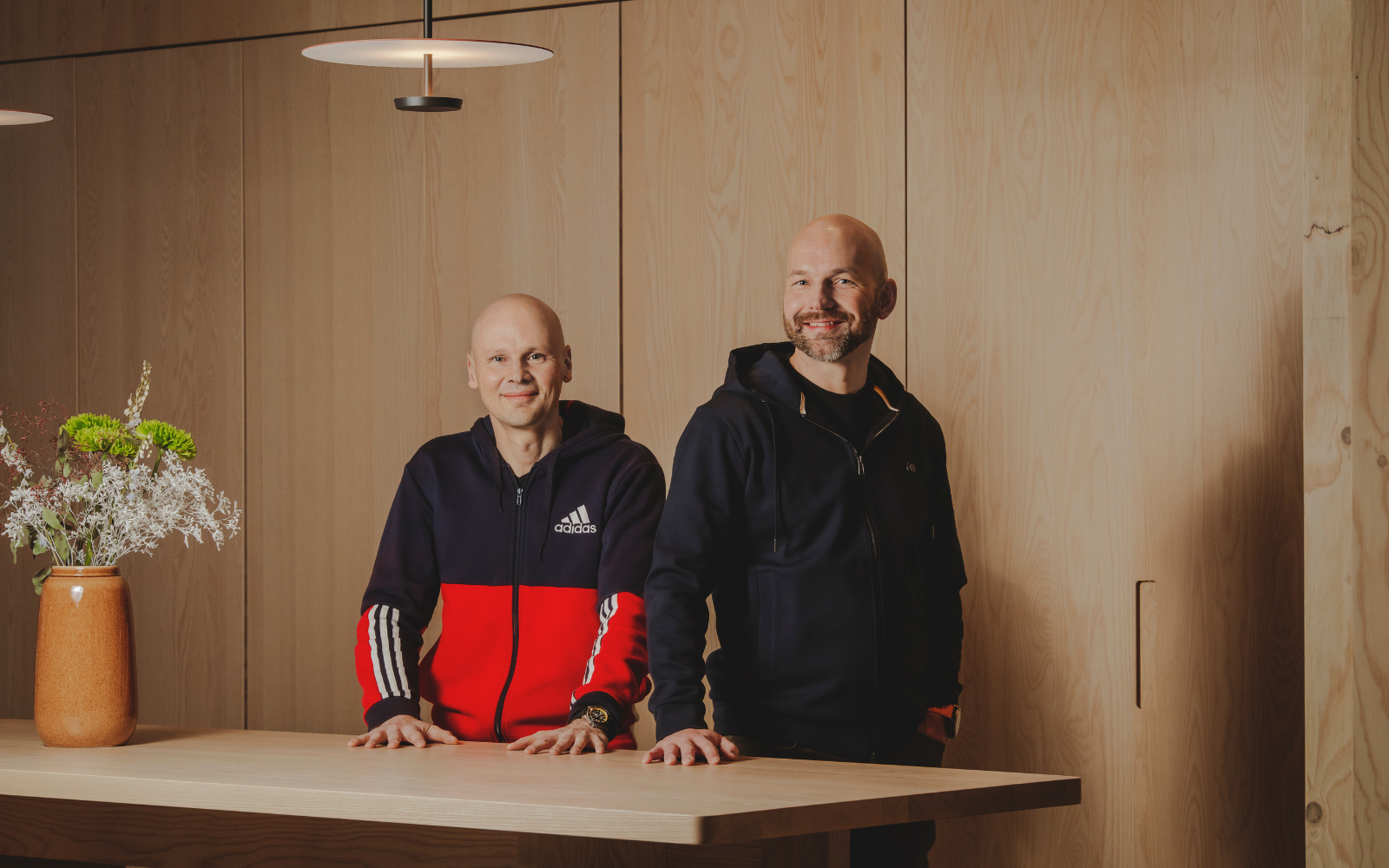
Jaakko Hartikainen, CEO and Co-Founder
That is the ambition we built Agileday for: grow the business, not the overhead. The Agileday Agent answers from your live Agileday data and does the work you ask for, with your approval. You can dig deeper into the features on our platform page. This post is about why we could get here, and where we go next: an Agent that gets smarter with every firm that uses it.
Designed for AI from day one
Our founders ran professional services firms for more than 15 years. When they started Agileday in 2022, they built it AI-first: a platform that would do more and more of the work, not just record it.
"From the first day, we saw that the day would come when the platform does most of the boring and time-consuming work that today requires a lot of people. And now the day has come."
Jaakko Hartikainen, CEO and Co-Founder
That belief shaped the foundations we laid, long before there was an agent to use them. Two of them matter most now:
- One data model from a won deal to a paid invoice. Skills, availability, allocations, hours, invoices and margin live in one consistent model. When the Agent staffs a project, it sees the margin impact in the same step. When it changes an allocation, the forecast and billing follow. Other systems add valuable context, but the decisions that run a services firm need one core the Agent can both trust and act on.
- Structured data and unstructured context, together. The core of a services firm is structured and reliable. Around it sits the context that used to be out of reach for software: RFPs, project notes, CVs and, through MCP Connectors, customer conversations. The Agent reads both, so it can tell who really fits an opening, based on what they actually did on past projects.
AI has been part of Agileday all along: assistants inside existing pages, from opportunity enrichment to Team Blueprint and CV translations. In December 2025 the Agileday MCP opened the whole platform to customers’ own AI clients. The Agent is the next step on the same path.
What the Agent does today: from 100 clicks to one prompt
If you can describe the work, you can hand it over. That can be a single request: "Prepare tomorrow’s steering group meeting." "Which projects end next month without a follow-up opportunity?" "Compare this year’s margins by customer with last year’s."
Or it can be a whole workflow that used to take days and several people:
- From RFP to a staffed, priced proposal. Share an RFP. The Agent drafts the openings and required skills, shortlists people who are free in that period, flags allocation conflicts and shows what the team does to the project’s margin. Then it writes tailored CVs in the customer’s language. In one beta meeting, a sales lead asked for a Finnish CV for the opportunity on screen. It was ready before the coffee got cold.
- The Friday review, without the Friday. Ask which projects are drifting. The Agent compares every running project with its plan, points to the allocations or unbilled time behind each gap and proposes what to change. The portfolio health check stops being a slide deck you build and becomes a weekly habit: you just ask.
- From bench to pipeline. Ask who comes off projects in the next six weeks. The Agent matches them to open opportunities, pulls the latest customer insights from your CRM and drafts the bench pitch for sales. For anyone without a match, it proposes a growth plan toward the skills your pipeline is asking for.
"Damn, this works."
Sales lead at a beta customer
Use Agileday your way, even without logging in
A platform that does the work doesn’t need you to visit it. Some customers run Agileday fully headless, from Claude, Microsoft Copilot or ChatGPT through the Agileday MCP, and their people never need to log in. There are more than 100 tools covering the whole platform, from opportunities and staffing to projects, time and CVs.
Others use the Agent inside the product, where it knows the page you are on, shows live previews and shares one Prompt library across your team. Many do both.
The Agent isn’t limited to Agileday either. When it needs data from somewhere else, such as your ticketing, version control, documents or financial system, MCP Connectors go and get it. You just grant the permission.
"The work of a professional services company rarely lives in one system. Your CRM, ticketing, version control, documents, financial system and communication tools all hold part of the picture. For years, people have been the integration layer between them. Now the Agent can be."
Jaakko Hallavo, Head of Product and Co-Founder
Wherever you work, the same safeguards apply. Through the Agent or the MCP, AI can do anything you can do in Agileday, and nothing you can’t: if you cannot see rates, neither can it. The Agent asks before it changes anything, is designed to use multiple AI models so you are not tied to one vendor, and keeps your data in your environment’s region, all within Agileday’s ISO/IEC 27001 certified platform.
Coming next: from asking to delegating
Today you ask the Agent. In a few weeks, you can delegate to it: it runs the jobs you set up, digs deeper when you ask, and remembers what matters.
- Automations run a job you describe once. Some run on a schedule, like a Monday bench pitch or a weekly margin check. Others are triggered by events as they happen, like proposing first candidates the moment a new opening is created or flagging a project as soon as it goes over budget. They wait for a person when a decision is needed.
- Data analyst writes and runs code on the fly to query large amounts of data and carry out complex analyses: what clients will ask for next quarter, what your people can deliver, and where to hire or upskill. Work that used to need a specialist and days of effort, done in minutes.
- Memory keeps your own and your organization’s context, so answers fit how you and your firm work.
Where this goes: compounding intelligence
We are building intelligence that compounds, in two layers.
First, the Agent gets better the more it is used. Behind it is our harness layer: the tools, instructions and workflows that turn a general-purpose AI model into an expert in running a services firm. The harness learns from how the Agent performs. Signals from every task, such as user feedback, what succeeded and where the Agent fell short, are captured automatically and turned into tested, versioned improvements. Your data is never used to train AI models. Because the harness is ours, every improvement reaches every customer, whichever model runs underneath.
Second, the Agent will draw on what we learn across the industry. Agileday runs the operations of more than 100 professional services firms, and over time, anonymized and aggregated insight from that experience will help the Agent answer questions no single firm could answer alone.
Both layers compound, so the Agent you use next month will be better than the one you use today.
This is what "automate everything" means to us: a platform that does the work instead of recording it, and people who make the decisions with better information than they have ever had. That is the day we built Agileday for, and that day is today.